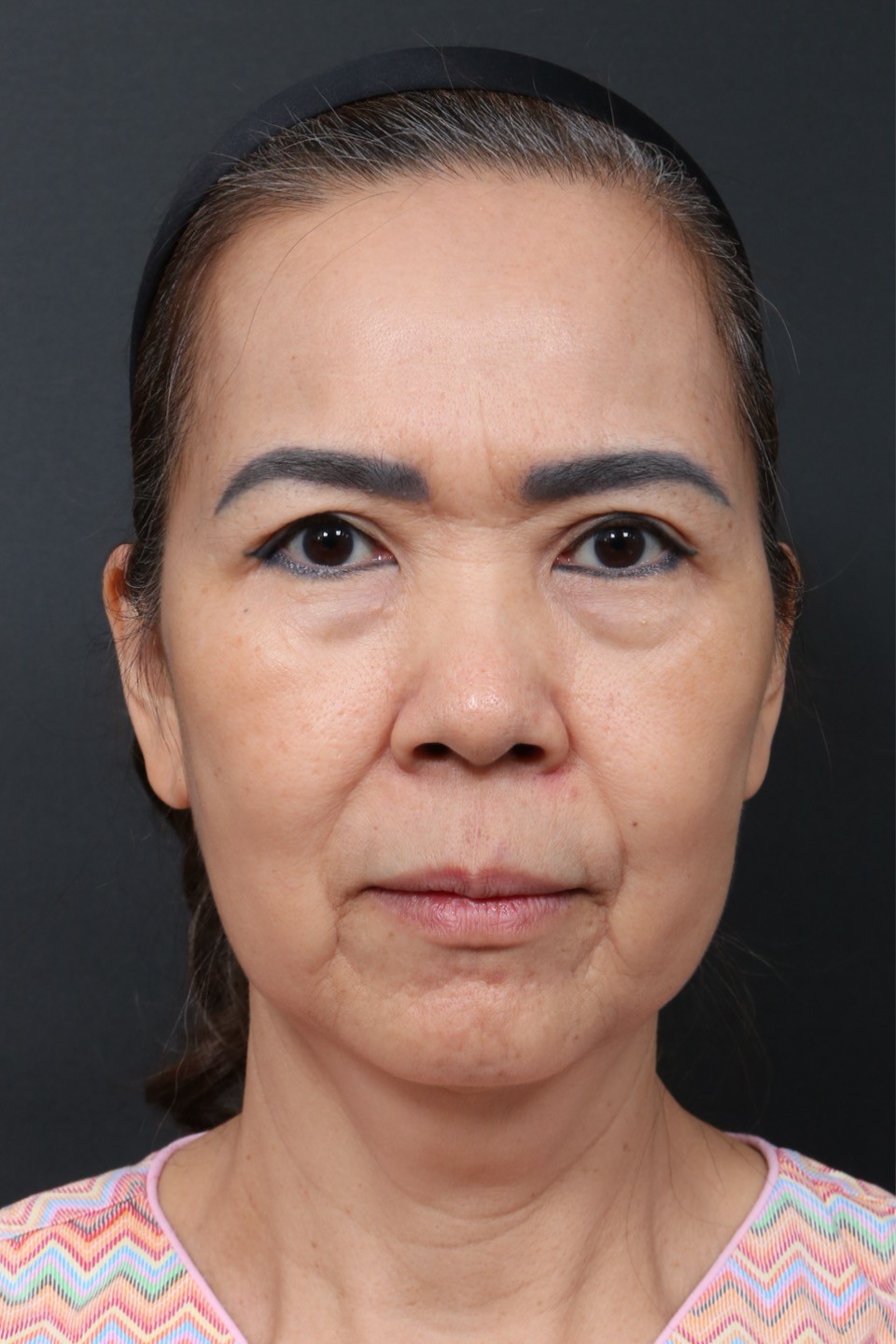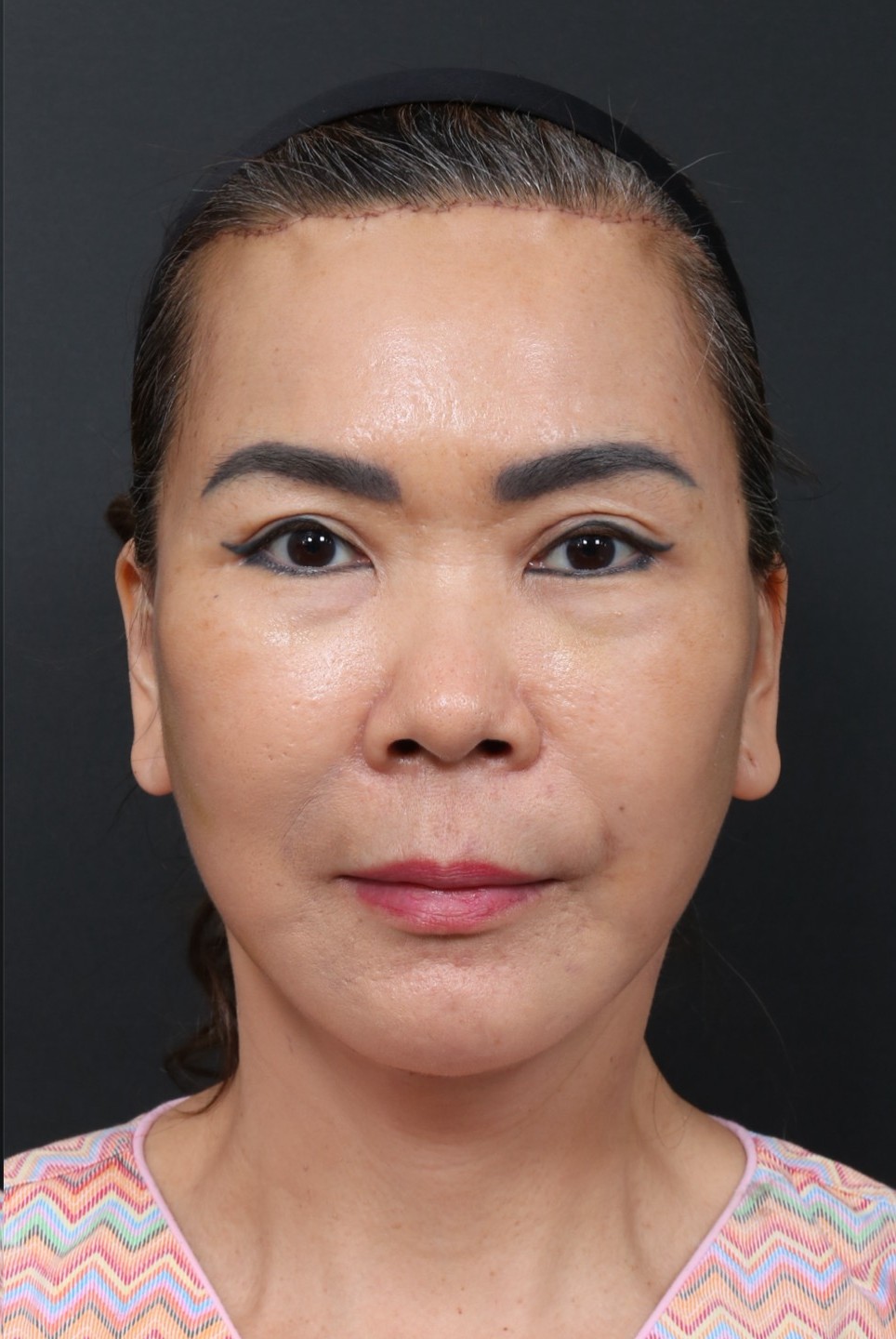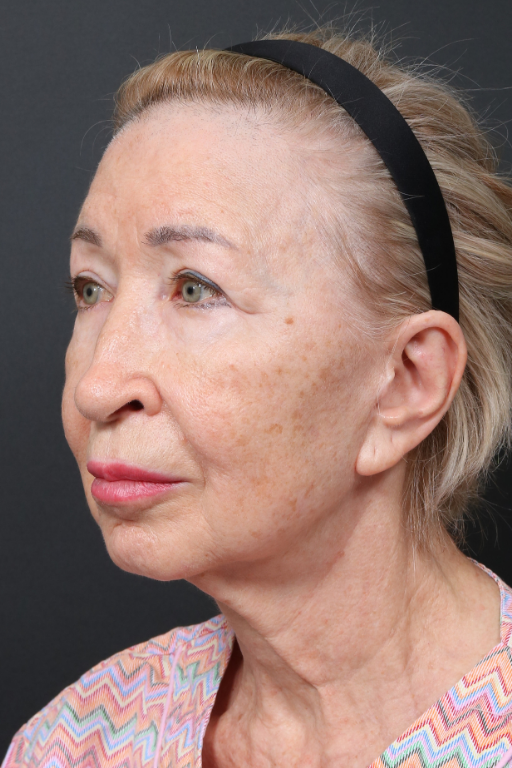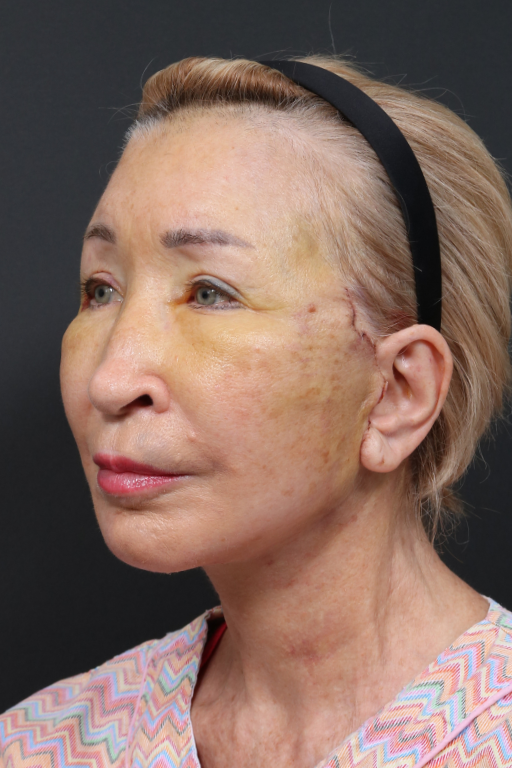
Dr. Ryu’s Deep Plane Facelift Korea
Unlike conventional facelifts that tighten only the skin, Dr. Ryu’s Deep Plane Facelift works by releasing the retaining ligaments and lifting the deeper structural layers of the face. This allows for a more complete and natural correction of facial aging, especially in the anterior midface, where sagging often begins. The result is a smooth, youthful contour that moves naturally — never tight or artificial.
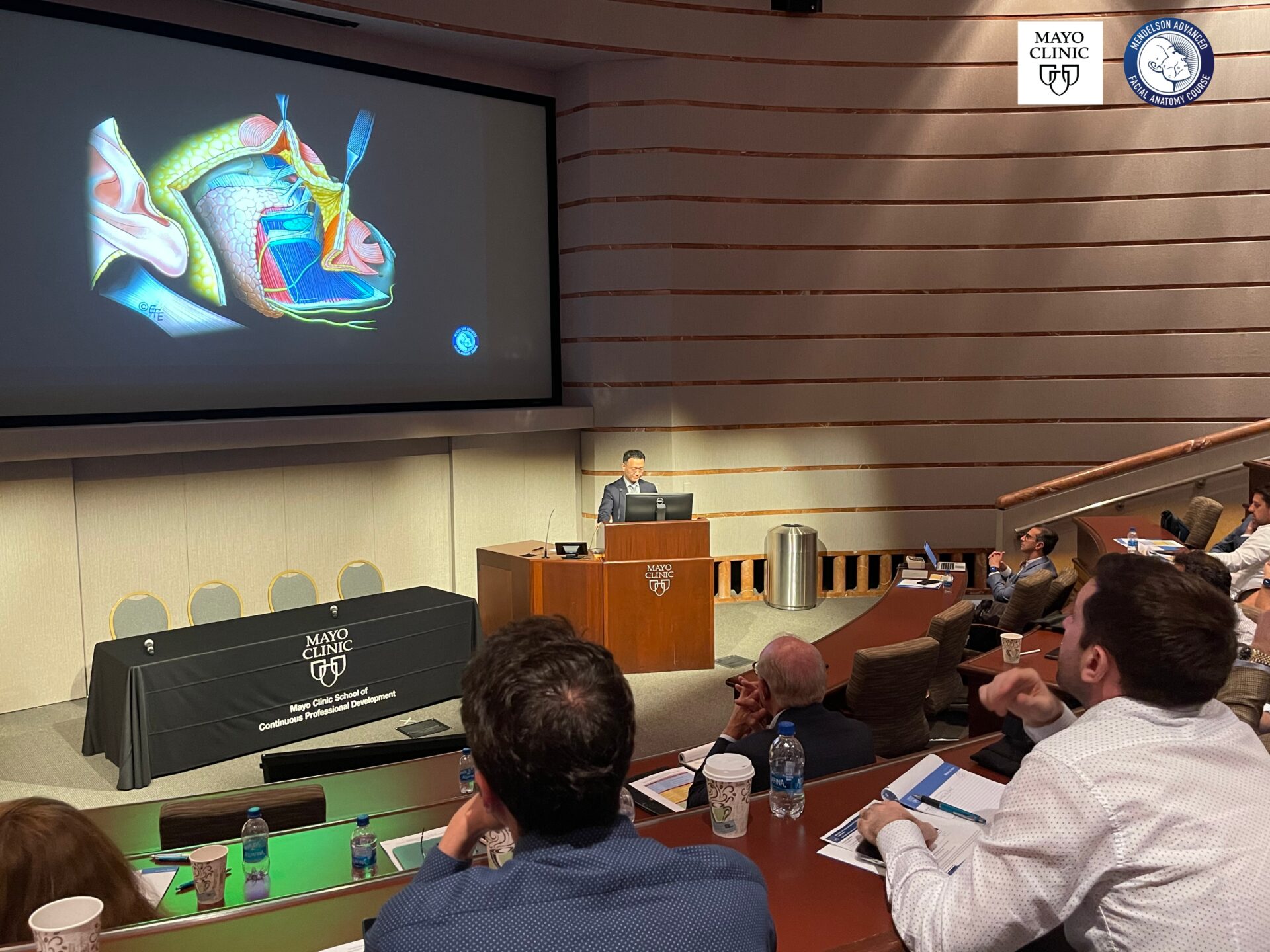
What is Dr. Ryu’s Deep Plane Facelift Korea ?
True Deep Plane Release
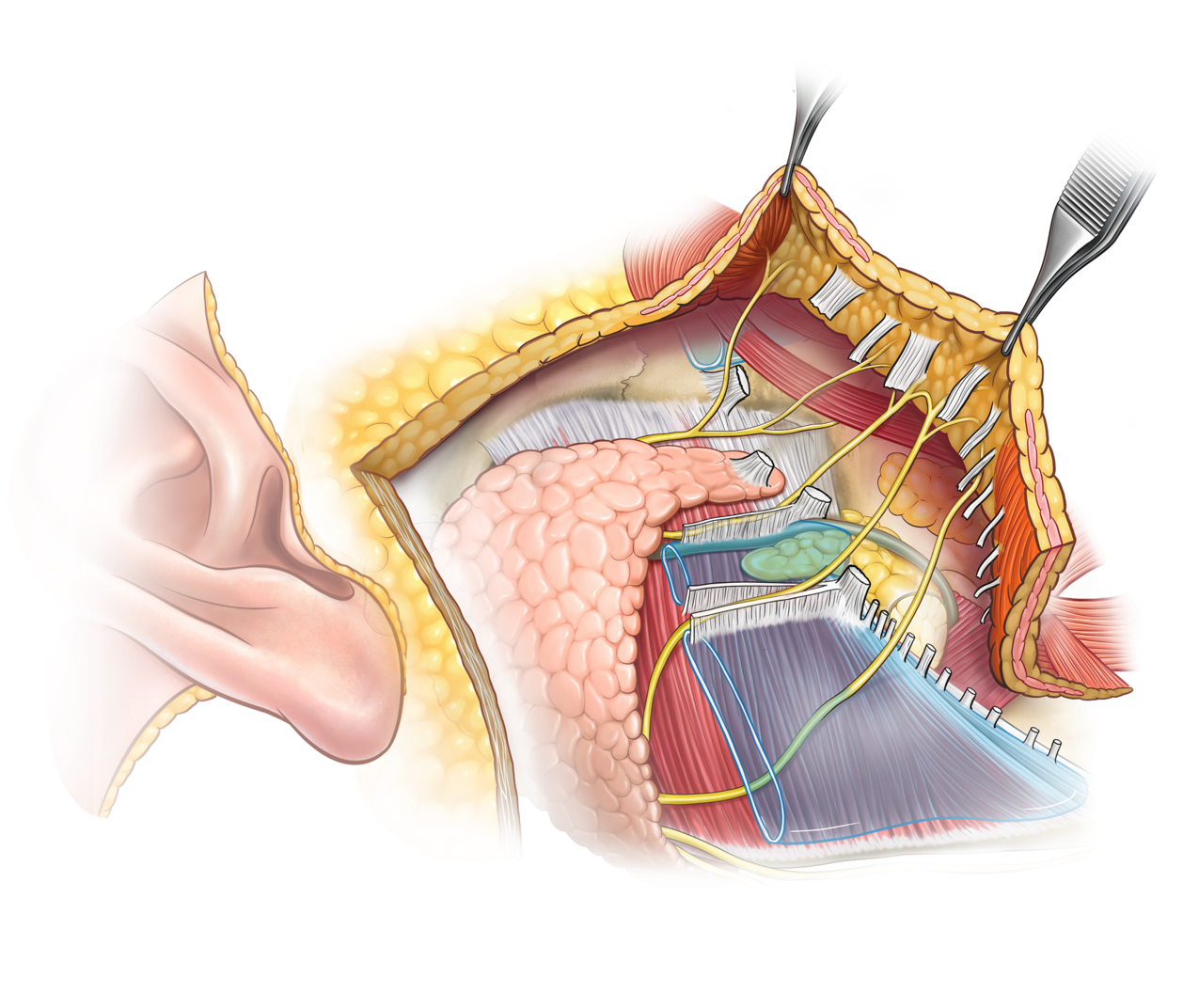
Dr. Ryu meticulously releases the key retaining ligaments and lifts the deeper facial layers, effectively rejuvenating the anterior portion of the face — restoring youthful structure to the cheeks, nasolabial folds, and mouth corners.


High-SMAS Method
By incorporating the High-SMAS technique, Dr. Ryu enhances elevation of the anterior face and improves definition around the nasolabial folds and jawline, achieving a harmonious and lifted facial contour.
Extended Deep Plane for the Neck
Dr. Ryu applies Jacono’s Extended Deep Plane concept selectively to the neck area, creating a refined neckline and well-defined jawline while maintaining a natural, balanced transition between the face and neck.

Composite / Preservation Philosophy
Following the composite facelift and preservation principles, Dr. Ryu minimizes incision length and skin undermining, which reduces tissue trauma and leads to faster recovery, less swelling, and a virtually pain-free healing process.
8 key features
1. Differentiated Facelifting Results
Soft tissue sagging mostly occurs in anterior face with aging due to prolonged repetitive movements of facial muscles. The boundary separating the anterior and lateral of the face is the ‘Retaining Ligaments,’ and releasing these tough tissues is essential for improving sagging in anterior face. The essence of the ‘Deep Plane Facelift’ is safely and sufficiently dissecting retaining ligaments in the sub-SMAS plane, which is the key to achieving differentiated results.
2. Short Recovery Period
Accelerated Recovery Time after Facelift Surgery
Daily activities and wearing makeup are possible 3-4 days after surgery, and public transportation can be used. All sutures are removed within 7 days. Minimizing unnecessary trauma during surgery allows for a rapid recovery without significant bruising or swelling. If trauma is significant for any reason, bruising, swelling, and pain will be severe. Additionally, uneven areas become larger, and complications such as telangiectasia worsen and take longer. The result depends on the dissection of the SMAS and retaining ligaments, and reducing unnecessary trauma is key to rapid recovery. This is the cutting edge of renowned experts worldwide.
3. Painless Procedure
Experience Minimal Discomfort with Deep Plane Facelift Procedures
After Dr. Ryu’s Deep Plane Facelift, there is almost no pain. Most patients reported not needing any painkillers. This is because his procedures reduce the impact on sensory nerves and minimize unnecessary dissection. Sometimes, there may be a slight feeling of dull pain due to the sutures fixed behind the ear, but it will soon fade away. Patients marvel at the lack of pain both during and after the surgery.
4. Natural Eye Shape and Elegant Facelifting Effect
Enhance Your Natural Eye Shape with an Elegant Facelift Effect
It is common to see cases of awkwardly pulled lateral eye fissures or an unnatural appearance after facelift surgery. This is often caused by pulling the skin excessively. When it is difficult to pull the SMAS layer, many surgeons compensate by pulling the skin, resulting in an unnatural appearance and obvious signs of surgery. By properly dissecting the SMAS and retaining ligaments, there is no need to pull the skin, resulting in a natural eye shape and elegant outcome. It is crucial to carefully consider the lifting technique and the skill of the surgeon.
5. Natural and Beautiful Ear Shape after Facelift
Enhanced Ear Aesthetics Post-Facelift: Achieving a Natural and Beautiful Ear Shape
The key features are the three-dimensional tragus and the rounded earlobe. Sometimes, a hidden or concealed tragus is observed, necessitating the aesthetic sense and delicate skills of the surgeon. It is also crucial to reduce skin tension. Excessive skin excision or excessive force will inevitably create pixie ears. The shape of the ear directly reflects the method of lifting surgery, the surgeon’s experience, and expertise.
6. Nearly Invisible Facial Scars
The incision line should be thin and faint, ideally not visible. Occasionally, severe scars may occur due to constitutional issues. However, most scars are due to excessive skin tension. By adequately dissecting the SMAS and retaining ligaments before pulling, only excess skin can be removed without causing tension. Ultimately, the presence of scars is closely related to the surgical method and the surgeon’s skill.
7. Slightly Uplifting Mouth Cornus
After adequately dissecting the SMAS flap and retaining ligaments in the sub-SMAS plane, when it is pulled out, the corners of the mouth will lift upwards, creating a smiling face. The extent of this uplifting may vary depending on the tissue’s firmness and skin characteristics, but one can expect charming, slightly uplifting mouth cornus.
8. 3 Days of Compression Garment Wear
The compression garment applies pressure to the face to prevent hematoma and is worn for approximately 3 days after surgery. Prolonged wear can inhibit blood circulation, leading to prolonged swelling and slowing down the recovery process. The results of the facelift are already evident in the operating room. The duration of wearing the compression garment does not directly impact the results. There is no reason to wear it for a longer period than necessary. If one desires more stability, it is recommended to wear it loosely for a short period.
Before & After